Victims
Passive characters don’t get much love in the creative writing classroom. Yet passive characters number among some of the strangest and most memorable in classic stories: just think of Hamlet (“To be or not to be”), Bartleby (“I prefer not to”), and Fanny Price (“Don’t fucking touch me”). So what gives?
The problem is that passive characters have been conflated with victims. Victims are characters whose problems have absolutely nothing to do with who they are. A victim is someone who is mowing his lawn when a giant radioactive pterodactyl from outer space takes a dump on his head. There is no way he could have prepared for that contingency. There is no way he could have prevented it. And there’s no reason that it happened to him rather than to his next door neighbor.

Incoming.
It’s fine to open a story with the character as victim. A lot of revenge narratives start out this way, for example, with a person getting cheated, raped, or seeing a loved one murdered, often for no real reason other than being in the wrong place at the wrong time. But this is actually only the preamble to the real story, which begins when the victimized individual responds to the event by taking some kind of action. The trouble with victims comes when they stay victims – when, to misquote Chumbawumba, they get knocked down but don’t get up again. Watching someone lie motionless under a pile of glowing pterodactyl excrement is only entertaining for the first couple of minutes. Then it gets dull fast.
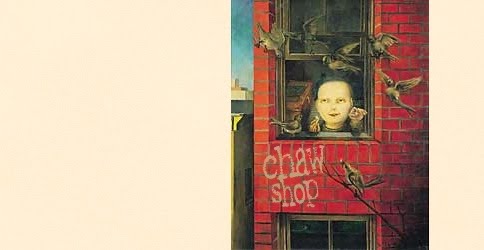
Passive characters, on the other hand, are characters whose inability or unwillingness to act brings about dramatic consequences. Hamlet’s tortured indecision about whether or not to avenge his father doesn’t bring the story to a halt; to the contrary, it has disastrous repercussions for almost every character in the play, which could have been avoided if he just accused Claudius and they duked it out. Bartleby’s refusal to do his work, and later, even to eat, torments his boss and ends up taking Bartleby’s life, permanently removing him from a bleak world of brick walls and dead letters. Fanny Price’s abstinence from the drama ( both theatrical and romantic) surrounding her and her rejection of a marriage proposal in fact craftily position her to get everything she thinks she wants.
Just like action, passivity needs to matter. It needs to present an obstacle to achieving or a means of attaining a goal. It needs to connect with what the story is about.
...next up: voice
OR... back to: what's a query for, anyway? AND the art of the pitch?? AND literary rebellions & literary excuse-making AND thinking about answers AND making connections
...next up: voice
OR... back to: what's a query for, anyway? AND the art of the pitch?? AND literary rebellions & literary excuse-making AND thinking about answers AND making connections

